A quiet afternoon with your cat can suddenly turn dramatic when you hear that unmistakable gagging sound across the room. Many pet owners in Arvada assume that cat hairballs are simply part of life with a feline companion. In reality, hairballs form through a complex process tied to grooming behavior, digestive function, and overall health. While occasional hairballs in cats may be normal, frequent episodes can signal underlying issues that deserve veterinary attention. This guide explores the science behind cat hairballs and explains when it’s time to contact Arvada Veterinary Hospital in Arvada, Colorado. If your cat experiences frequent hairballs or concerning symptoms, call (303) 424-4439 or book an appointment online to speak with our veterinary team.
What Are Hairballs?
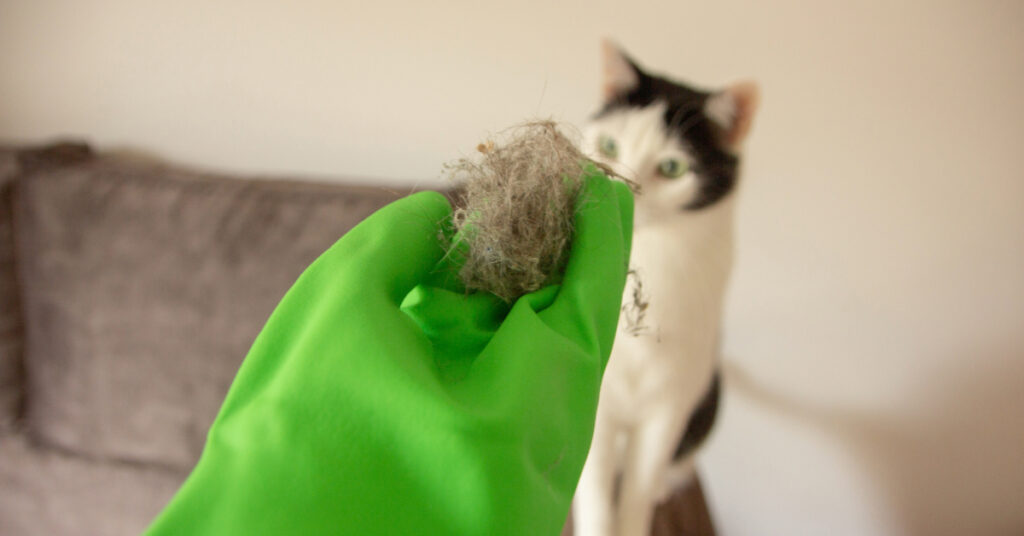
Cat hairballs, medically known as trichobezoars, form when loose hair accumulates in a cat’s stomach during grooming. A cat’s tongue contains tiny backward-facing barbs that pull loose fur from the coat. As cats groom themselves, they swallow some of that hair. Most swallowed fur moves through the digestive tract and exits the body naturally in the stool.
Hairballs develop when the hair remains in the stomach instead of moving through the intestines. The fur collects and compresses into a dense mass that the cat eventually regurgitates. Despite the name, hairballs rarely look like round balls. They typically appear as tube-shaped clumps of fur because they form in the esophagus as they are expelled.
Occasional hairballs are common, especially in cats with longer coats or heavy shedding. However, frequent hairballs in cats may signal excessive grooming, digestive issues, or other underlying health concerns that your veterinarian should evaluate.
What Causes Hairballs in Cats?
Hairballs in cats develop through a combination of grooming habits, coat characteristics, digestive function, and overall health. Most cats swallow hair daily during grooming, but several factors can increase the likelihood that swallowed fur accumulates in the stomach.
Grooming Behavior
Cats dedicate a large portion of their day to grooming. Their tongues act like natural brushes, pulling loose hair from the coat. When cats groom more frequently than usual, they ingest more hair, which increases the chance of hairball formation. Stress, skin irritation, parasites, and allergies can cause cats to groom excessively. Overgrooming may signal an underlying dermatologic or behavioral concern. Veterinary evaluation helps determine why a cat’s grooming habits have changed.
Long or Dense Fur
Coat length and density play a major role in hairball formation. Long-haired breeds such as Maine Coons, Persians, and Ragdolls naturally shed large amounts of hair during grooming. Even short-haired cats may develop hairballs during seasonal shedding periods when loose fur increases. Cats that shed heavily produce more loose hair for ingestion during grooming. As a result, the digestive system must process larger volumes of fur.
Digestive Motility
The digestive tract normally moves swallowed hair through the stomach and intestines. When gastrointestinal motility slows, hair may remain in the stomach long enough to form a hairball. Conditions that affect digestion can increase the likelihood of hairball accumulation. Veterinarians often consider gastrointestinal function when evaluating cats with frequent hairballs.
Age and Health Factors
Age-related changes may also influence hairball development. Older cats sometimes experience reduced digestive efficiency, which may affect how hair moves through the gastrointestinal tract. Certain medical conditions can alter grooming habits, digestive motility, or both. If a cat begins producing hairballs more frequently than before, veterinary evaluation can help identify the underlying cause.
Recognizing Symptoms of Hairballs in Cats
Most pet owners recognize the classic sound associated with cat hairballs. However, several symptoms can accompany hairball formation, and some signs may indicate more serious digestive concerns.
Common Hairball Symptoms
The most recognizable symptom of a hairball is repeated gagging or retching. Cats may crouch low to the ground, extend their neck, and produce a series of dry heaves before expelling the hairball. Once the hairball passes, the cat typically resumes normal behavior. Other signs associated with hairballs in cats include:
- Intermittent gagging or coughing
- Reduced appetite during an episode
- Temporary lethargy
- Regurgitation of a cylindrical clump of fur
Occasional hairballs followed by normal behavior may not raise immediate concern. However, frequent episodes deserve attention from a veterinarian.
Symptoms That May Signal a Problem
Some symptoms resemble hairball behavior but indicate more serious gastrointestinal conditions. Cats with digestive obstruction or illness may show persistent vomiting, decreased appetite, or changes in bowel movements. Signs that warrant veterinary evaluation include:
- Repeated gagging without producing a hairball
- Vomiting that occurs frequently
- Constipation or lack of stool
- Reduced appetite or weight loss
- Lethargy or hiding behavior
If these symptoms appear, your veterinarian should evaluate the cat promptly to determine whether a hairball or another condition affects the digestive system.
How to Prevent Cat Hairballs
Preventing hairballs in cats involves managing grooming habits, reducing excess hair ingestion, and supporting normal digestive function. Veterinary teams often recommend a combination of strategies tailored to the individual cat’s coat type, lifestyle, and health history.
Routine Grooming Support
Regular brushing removes loose fur before cats swallow it during grooming. Long-haired cats often benefit from daily brushing, while short-haired cats may need grooming several times each week during shedding seasons. Consistent coat maintenance reduces the amount of hair available for ingestion. Professional grooming may also benefit cats with dense or difficult-to-manage coats.
Monitoring Shedding Cycles
Cats shed more heavily during seasonal transitions when daylight hours change. During these periods, additional grooming may help control loose fur. Pet owners often notice increased hairball activity during spring and fall shedding cycles. Veterinary teams can recommend grooming schedules that match the cat’s shedding patterns.
Nutritional Considerations
Diet influences digestive health and hairball management. Some veterinary diets contain specialized fiber blends designed to support gastrointestinal motility and help hair move through the digestive tract more efficiently. Your veterinarian can determine whether a dietary adjustment may benefit a cat experiencing frequent hairballs.
Addressing Underlying Health Issues
Skin irritation, parasites, and allergies may cause excessive grooming. Behavioral stress can also lead to overgrooming in some cats. Identifying and addressing these underlying factors reduces the amount of hair cats ingest during grooming. Veterinary examination plays a key role in determining whether skin health or stress contributes to hairball problems.
Complications of Cat Hairballs
While occasional hairballs are common, complications can occur when hair accumulates excessively in the digestive tract. These situations require veterinary attention because they may interfere with normal gastrointestinal function.
Gastrointestinal Blockage
In rare cases, a hairball may move from the stomach into the intestines and become lodged. When this occurs, the digestive tract may become partially or completely blocked. A blockage prevents food and fluids from passing normally through the intestines. Cats with intestinal blockage may develop symptoms such as persistent vomiting, abdominal discomfort, lethargy, and reduced appetite. Immediate veterinary care becomes essential in these cases.
Chronic Vomiting
Frequent hairball episodes may cause chronic vomiting in some cats. Repeated vomiting can irritate the esophagus and stomach lining, which may lead to additional digestive problems. Veterinarians evaluate chronic vomiting carefully to determine whether hairballs or another condition contributes to the symptoms.
Underlying Gastrointestinal Disease
Cats that produce frequent hairballs may also have underlying gastrointestinal disorders affecting digestion and motility. Veterinary diagnostics help determine whether inflammatory conditions or other digestive concerns contribute to hairball formation. Identifying these conditions early supports more effective treatment and improved quality of life for affected cats.
When to See Your Vet About Hairballs
Many pet owners ask an important question: When do cat hairballs become a medical concern? Occasional hairballs may fall within the range of normal grooming behavior. However, frequent or severe symptoms deserve veterinary evaluation. Veterinary teams recommend scheduling an appointment if a cat experiences hairballs more than once every few weeks, especially if additional symptoms appear. Cats that gag repeatedly without producing a hairball should also receive prompt veterinary attention.
Other warning signs include:
- Persistent vomiting
- Reduced appetite or weight loss
- Lethargy or behavioral changes
- Constipation or difficulty passing stool
- Frequent coughing or gagging episodes
Your veterinarian may perform a physical examination and diagnostic tests to determine whether hairballs or another digestive issue affects the cat. Diagnostic imaging, bloodwork, or other evaluations may help identify underlying conditions.
If your cat experiences frequent hairballs or digestive symptoms, our team at Arvada Veterinary Hospital in Arvada, Colorado can help determine the cause and recommend appropriate care. Call (303) 424-4439 or book an appointment online to schedule an evaluation. Early assessment helps protect your cat’s digestive health and comfort while addressing any underlying concerns that may contribute to recurring hairballs.