Bad breath in dogs often starts as a mild annoyance during close snuggles or playtime. Many pet owners assume it simply comes from something their dog ate, but persistent odor can signal a deeper medical issue. In many cases, bad breath in dogs (also called halitosis) points to dental disease, infection, or even problems affecting internal organs. Because dogs cannot explain discomfort, changes like unusually strong breath can serve as an early warning sign that something is wrong. Learning what causes bad breath in dogs and when it requires veterinary attention helps protect your dog’s long-term health. The team at Arvada Veterinary Hospital in Arvada, Colorado helps local pet owners identify the causes of bad breath and address underlying problems before they become more serious.
Why Does My Dog Have Bad Breath?
Bad breath in dogs rarely appears without a reason. While occasional odor after eating certain foods can occur, persistent halitosis usually develops when bacteria build up in the mouth or when disease affects the body. Veterinary teams evaluate breath odor carefully because it often provides clues about what is happening inside a dog’s body.
The most common cause of bad breath in dogs is dental disease. As plaque accumulates along the gumline, bacteria multiply and form hardened tartar. This bacterial activity produces strong odors while also triggering inflammation in the gums. Over time, untreated dental disease can progress into periodontal disease, which damages the tissues supporting the teeth and may allow bacteria to enter the bloodstream.
Bad breath can also originate outside the mouth. Conditions affecting the digestive system, liver, or kidneys may create distinct odors on a dog’s breath. Because many of these diseases develop gradually, breath odor sometimes becomes one of the earliest noticeable symptoms for pet owners. Veterinarians therefore view bad breath as more than a cosmetic issue. It often represents an important signal that something in the body requires medical evaluation.
Dental Disease and Plaque Buildup
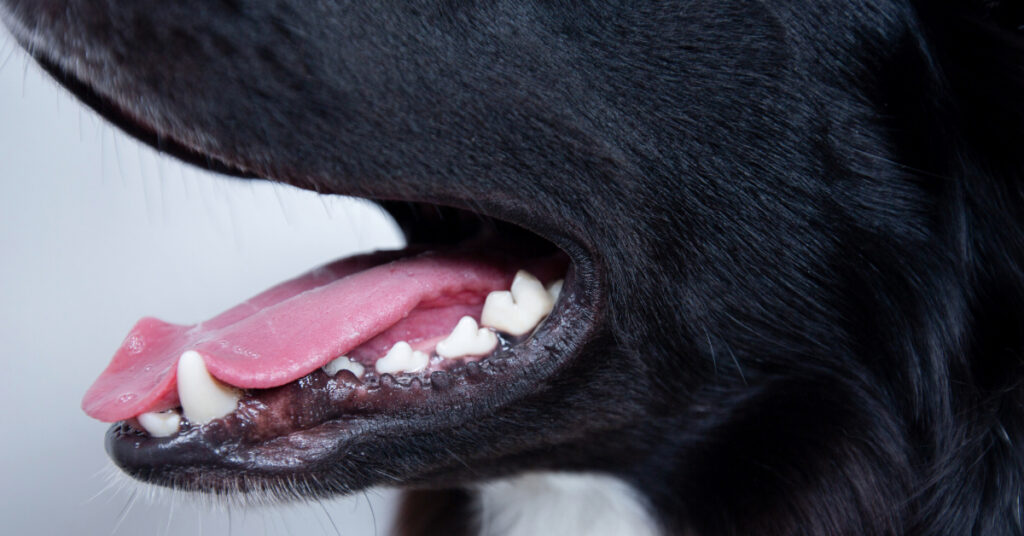
Dental disease remains the leading cause of bad breath in dogs. Plaque forms when food particles mix with bacteria in the mouth, creating a sticky film that coats the teeth. If plaque remains untreated, it hardens into tartar, which traps additional bacteria beneath the gumline.
As this process continues, inflammation develops in the gums. Veterinarians refer to this condition as gingivitis. Dogs with gingivitis may show red gums, swelling, bleeding during chewing, or sensitivity around the mouth. The bacteria responsible for these changes also release compounds that create strong, unpleasant odors.
Advanced periodontal disease may eventually lead to loose teeth, infection, and damage to the surrounding bone. At this stage, bad breath in dogs often becomes extremely noticeable because bacteria thrive within deep pockets around the teeth.
Oral Infections, Tumors, or Injuries
Some dogs develop bad breath due to infections or injuries within the mouth. Objects lodged between teeth, damaged teeth, or oral wounds may create pockets where bacteria multiply rapidly. In rare cases, oral tumors may also produce noticeable odor. Tumors can change the normal structure of tissues in the mouth, allowing bacteria to accumulate in unusual areas. Pet owners may notice swelling, bleeding, difficulty chewing, or visible masses along with bad breath. Because these conditions require professional diagnosis, a veterinary examination becomes essential when bad breath appears suddenly or worsens quickly.
Systemic Illnesses That Affect Breath Odor
Certain medical conditions outside the mouth can influence a dog’s breath. For example, kidney disease may cause breath that smells similar to ammonia or urine. Diabetes can sometimes produce a sweet or fruity odor due to metabolic changes in the body. Liver disease may also contribute to abnormal breath odor.
Veterinarians evaluate these scent changes carefully because they may provide early clues about internal health concerns. Although breath alone cannot confirm a diagnosis, it often prompts further testing that helps identify underlying disease.
How to Get Rid of Your Dog’s Bad Breath
Addressing bad breath in dogs starts with identifying the underlying cause rather than trying to mask the odor. Veterinary teams focus on determining whether the problem stems from dental disease, oral infection, or a health condition affecting other parts of the body. Once veterinarians understand the source of the odor, they can recommend appropriate diagnostics, treatments, and long-term monitoring. The following steps explain how veterinarians evaluate bad breath in dogs and what may be involved in addressing the underlying issue.
Veterinary Dental Exams: The First Step to Identifying the Cause
A thorough oral examination often serves as the first step. During this evaluation, veterinarians assess the gums, teeth, tongue, and surrounding tissues. They look for signs of plaque accumulation, inflammation, infection, or structural abnormalities that may contribute to halitosis. When dental disease appears to be the primary issue, professional dog teeth cleaning at Arvada Veterinary Hospital may become necessary. These procedures allow veterinarians to remove plaque and tartar both above and below the gumline while examining the teeth closely for damage or infection.
Because dental health directly influences overall wellness, veterinary teams emphasize routine dental evaluations throughout a dog’s life. Early detection of dental disease allows veterinarians to treat problems before they progress into more serious infections. Dental exams allow your veterinary team to:
- Identify plaque and tartar buildup
- Evaluate gum health and inflammation
- Detect loose, fractured, or infected teeth
- Look for abnormal growths or oral injuries
- Assess signs of periodontal disease
These examinations also help determine whether additional diagnostics or treatments may be necessary.
Diagnostic Testing When Bad Breath Has a Medical Cause
If bad breath in dogs appears unrelated to dental disease, veterinarians may recommend additional testing. Blood work, imaging, or other diagnostics help evaluate organ function and identify possible systemic illness. Diagnostic testing may investigate conditions such as:
- Kidney disease
- Diabetes mellitus
- Liver disorders
- Gastrointestinal abnormalities
- Infections affecting the body
Identifying the source of bad breath helps ensure that treatment addresses the true cause rather than only the symptom.
Long-Term Dental Care and Monitoring
Maintaining a dog’s dental health requires ongoing monitoring. Veterinarians work closely with pet owners to develop individualized care plans based on the dog’s age, breed, and medical history. Some breeds experience higher risk for dental disease due to crowded teeth or jaw structure. Smaller breeds, in particular, often develop tartar buildup earlier in life. Routine dental care visits allow veterinarians to track oral health changes and intervene before complications develop. By addressing dental disease early, veterinary teams help reduce the risk of infection spreading to other organs, including the heart and kidneys.
When to Call Your Arvada Vet
Many pet owners ask a common question: When does bad breath in dogs require veterinary attention? While mild odor may occasionally occur after meals, persistent or unusually strong breath should never be ignored. Veterinary evaluation becomes especially important when bad breath appears alongside other symptoms. Changes in appetite, drooling, pawing at the mouth, difficulty chewing, or visible gum swelling may indicate oral pain or infection.
Dogs experiencing systemic illness may also display additional signs such as increased thirst, changes in urination, vomiting, lethargy, or weight loss. When these symptoms accompany bad breath, prompt veterinary assessment becomes essential. Early diagnosis often prevents minor issues from progressing into more complicated conditions. Because dogs instinctively hide discomfort, subtle changes like breath odor may represent one of the first visible warning signs.
Signs Bad Breath May Indicate a Health Problem
Pet owners should consider scheduling a veterinary visit if they notice:
- Extremely strong or persistent bad breath
- Red, swollen, or bleeding gums
- Loose or broken teeth
- Difficulty eating or chewing
- Drooling or pawing at the mouth
- Changes in appetite or behavior
- Unusual breath odors such as sweet, metallic, or ammonia-like scents
These symptoms may suggest dental disease, infection, or systemic illness that requires professional evaluation.
Why Early Veterinary Care Matters
Bad breath in dogs rarely improves without addressing its cause. Dental disease, infections, and metabolic disorders tend to progress over time, potentially leading to pain, tooth loss, and organ damage. Veterinary care allows clinicians to diagnose the problem accurately and develop an appropriate treatment plan. By evaluating oral health and overall wellness together, veterinarians can identify problems early and recommend the most effective path forward.
Support for Dogs Experiencing Bad Breath in Arvada, Colorado
Bad breath in dogs often signals more than a simple nuisance. It may represent dental disease, infection, or health conditions affecting other organs. Because early detection plays an important role in protecting long-term health, veterinary evaluation helps determine the cause and guide appropriate care.
If your dog has persistent bad breath or other changes in oral health, the team at Arvada Veterinary Hospital in Arvada, Colorado is ready to help. Our veterinarians evaluate dental health, investigate possible underlying causes, and create treatment plans tailored to each patient’s needs.
To schedule an examination or discuss concerns about your dog’s breath, call (303) 424-4439 or book an appointment online with Arvada Veterinary Hospital today. Early evaluation can provide answers and help your dog feel more comfortable again.