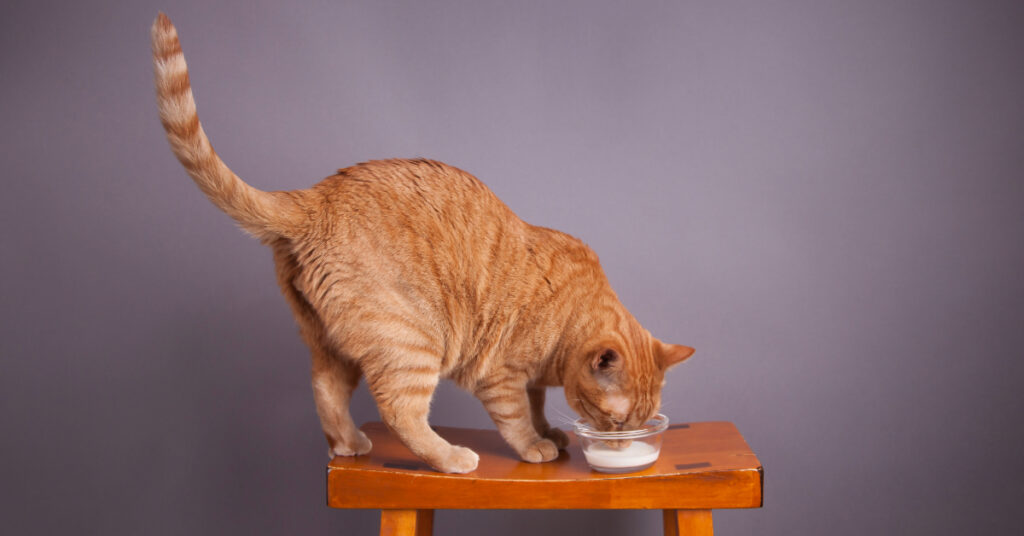
Few images feel as classic as a cat happily lapping up a bowl of milk. Cartoons, storybooks, and old family memories have reinforced the idea for generations. Yet many pet owners pause and ask a practical question: can cats drink milk safely, or is milk bad for cats? The answer surprises many people. While cats may enjoy the taste of milk, most adult cats do not digest it well because their bodies lose the ability to process lactose as they grow older. That means milk often causes digestive upset rather than providing nutritional value. Below, the team at Arvada Veterinary Hospital in Arvada, Colorado explains why milk affects cats the way it does, what lactose intolerance looks like in felines, and what cats should drink instead.
Is Milk Good for Cats?
Many people assume milk must be healthy for cats because of how frequently it appears in media and cultural imagery. However, when veterinarians evaluate nutrition, milk does not typically qualify as a beneficial part of a cat’s diet. The digestive systems of adult cats simply are not designed to process lactose effectively, which makes milk more likely to cause stomach upset than provide nutritional value.
Milk contains lactose, a natural sugar found in dairy products. To digest lactose properly, the body must produce an enzyme called lactase. Kittens produce this enzyme when they are nursing because they rely on their mother’s milk for survival. As cats mature and transition to solid food, their bodies gradually stop producing as much lactase. This shift makes milk difficult for many adult cats to digest.
Why Cats Enjoy Milk Even When It Doesn’t Agree With Them
Even when a cat appears to enjoy milk, that does not mean the digestive system tolerates it well. The sweetness of lactose can make milk appealing to cats, but enjoyment does not equal nutritional benefit. Veterinary professionals often caution pet owners that feeding milk regularly may lead to gastrointestinal issues such as loose stool, stomach discomfort, or vomiting.
From a nutritional standpoint, milk also adds calories without offering the balanced nutrients that cats require. Cats thrive on diets formulated specifically for their species, which typically include carefully measured protein, fats, vitamins, and minerals. Dairy products do not provide the same nutritional balance that commercial cat foods offer.
For these reasons, veterinarians frequently answer the question “Can cats drink milk?” by explaining that milk does not serve a necessary role in feline nutrition and often leads to digestive discomfort.
Is Your Cat Lactose Intolerant?
While some cats may tolerate small amounts, many develop noticeable digestive reactions after consuming dairy products. Lactose intolerance occurs when the body cannot break down lactose properly. Without enough lactase enzyme, lactose remains undigested as it moves through the digestive tract. This process often leads to fermentation in the intestines, which causes gastrointestinal symptoms.
Signs of Lactose Intolerance in Cats
Cats that struggle to digest milk may develop several symptoms after consuming dairy. Pet owners sometimes notice these changes within hours of drinking milk. Common signs include:
- Loose stool or diarrhea
- Increased gas or stomach discomfort
- Vomiting
- Bloating
- Changes in appetite
These symptoms vary depending on the individual cat and the amount of dairy consumed. Some cats react quickly after drinking milk, while others develop milder symptoms that appear later.
Why Many Adult Cats Cannot Digest Milk
The transition from kittenhood to adulthood changes how a cat’s digestive system processes lactose. Kittens rely entirely on their mother’s milk during early development, which means their bodies produce large amounts of lactase to digest it. Once kittens begin eating solid food, lactase production declines because the enzyme becomes less necessary.
By adulthood, many cats produce very little lactase. Without that enzyme, the body cannot break lactose into digestible components. This biological change explains why a kitten may tolerate milk early in life but develop digestive problems later. Pet owners sometimes feel surprised when a cat that once enjoyed milk begins to show signs of intolerance. The change reflects natural development rather than a sudden illness.
Can Cats Drink Milk Alternatives?
Because traditional cow’s milk often causes digestive upset in cats, some pet owners look for alternative options. Questions such as “Can cats drink lactose-free milk?” or “Are milk substitutes safe for cats?” appear frequently in veterinary discussions. Milk alternatives exist in two general categories: specialty cat milk products and plant-based beverages. Each option raises different considerations for feline health.
Specialty Cat Milk Products
Pet stores sometimes carry products labeled specifically as milk for cats. These products typically contain reduced lactose levels, making them easier for some cats to digest compared to standard cow’s milk. Manufacturers formulate these beverages with feline digestion in mind.
Even with reduced lactose, veterinarians generally recommend moderation. These products function more like treats than nutritional necessities. A cat does not require milk substitutes to maintain a balanced diet.
Plant-Based Milk Alternatives
Plant-based beverages such as almond milk, oat milk, or soy milk have become popular among people, which leads some pet owners to wonder whether cats can drink them as well. These beverages do not contain lactose, but they still may not suit a cat’s digestive system. Cats are obligate carnivores, meaning their nutritional needs differ greatly from human dietary patterns.
Many plant-based beverages contain additives, sweeteners, or ingredients that offer no benefit to cats. While small accidental exposures may not cause problems, veterinarians rarely recommend plant-based milk alternatives as regular drinks for cats. If pet owners are considering milk alternatives, speaking with a veterinary team can help clarify whether the product aligns with feline dietary needs.
Can Kittens Have Milk?
Kittens and milk share a different relationship than adult cats and dairy products. During the earliest stages of life, milk provides essential nutrition that supports growth, immune development, and overall health. Newborn kittens rely entirely on their mother’s milk. This milk contains antibodies, nutrients, and hydration that kittens need to survive during their first weeks of life. Because kittens produce the lactase enzyme at high levels during this stage, they digest their mother’s milk efficiently.
Mother’s Milk vs. Cow’s Milk
Although kittens depend on milk early in life, it must come from the correct source. A mother cat’s milk has a unique nutritional composition that supports feline development. Cow’s milk does not replicate those nutrients and often causes digestive upset in kittens. Veterinary professionals sometimes encounter situations where kittens require bottle feeding due to abandonment or maternal illness. In those cases, veterinarians typically recommend specially formulated kitten milk replacers designed to mimic the nutrient profile of a mother cat’s milk.
Transitioning to Solid Food
As kittens grow, their diet gradually shifts from milk to solid food. This process, called weaning, usually begins around three to four weeks of age. By the time kittens reach eight to ten weeks old, most rely primarily on solid food rather than milk. During this transition, lactase production begins to decline. That biological change explains why adult cats often develop lactose intolerance later in life.
What Can Cats Drink Instead of Milk?
Because many adult cats cannot digest milk comfortably, pet owners often ask what beverages are safe and appropriate. The answer remains simple: fresh water is the best drink for cats.
Water supports hydration, digestion, kidney function, and overall health. Unlike milk or other beverages, water does not contain lactose, additives, or unnecessary calories. Cats naturally obtain some moisture from food, especially wet diets, but access to clean drinking water remains essential.
Encouraging Healthy Hydration
Some cats drink less water than their owners expect. Cats evolved from desert-dwelling ancestors, which means they often rely on dietary moisture rather than large amounts of drinking water. However, hydration still plays an important role in maintaining urinary tract and kidney health. Pet owners sometimes encourage water consumption by offering multiple water bowls around the home, providing fresh water daily, or using pet water fountains that circulate water continuously.
These strategies help make hydration more appealing to cats. Veterinary professionals evaluate hydration habits during routine wellness exams. If a cat shows signs of drinking unusually large or unusually small amounts of water, veterinarians may recommend further evaluation to determine the cause.
Why Milk Should Not Replace Water
Some pet owners consider offering milk because their cat seems to enjoy it. However, milk should never replace water as a primary beverage. Unlike water, milk introduces lactose and calories that the digestive system may struggle to process. Water remains the safest and healthiest option for everyday hydration.
Questions About Your Cat’s Diet? Our Arvada Veterinary Team Is Here to Help
Dietary questions appear frequently during veterinary visits, and the topic of milk often surprises pet owners. While the image of cats drinking milk remains popular, many adult cats cannot digest lactose comfortably. Understanding how feline digestion works helps pet owners choose foods and beverages that support long-term health.
If you have questions about your cat’s nutrition, hydration, or digestive health, the veterinary team at Arvada Veterinary Hospital in Arvada, Colorado is glad to answer any questions or concerns. Our veterinarians provide personalized guidance based on your cat’s age, lifestyle, and health history. To schedule an appointment, call (303) 424-4439 or book an appointment online. We look forward to helping your cat stay healthy and comfortable at every stage of life.