
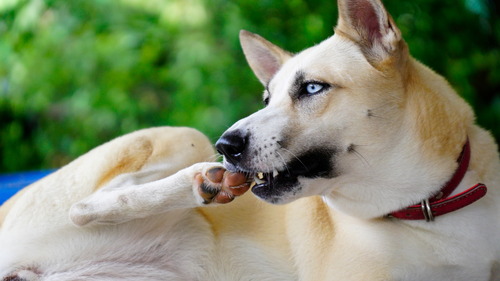
Dogs use their mouths for more than eating or playing, they also explore the world and sometimes soothe themselves by chewing. But when you notice your dog chewing paws frequently, it can leave you wondering what’s behind the behavior. Occasional licking or chewing is normal, but persistent or obsessive paw chewing can signal something more. Pet owners in Arvada, CO, may ask about this issue, and it’s important to understand why it happens and when it may be time to call Arvada Veterinary Hospital at (303) 424-4439 or book an appointment online.
Normal Grooming or a Sign of Something More?
Dogs naturally lick and chew their paws from time to time. They might be cleaning off dirt, grass, or debris after a walk. They might also chew lightly if something temporarily irritates their paw. However, if you see your dog chewing paws often, to the point of redness, swelling, or hair loss, it may indicate an underlying problem that requires veterinary attention.
Frequency Matters
An occasional chew isn’t usually concerning. But daily, repeated chewing can point to discomfort. If you hear your dog licking or chewing during the night or constantly see them focusing on their paws throughout the day, it’s worth noting how often the behavior occurs.
Signs to Watch
In addition to noticing your dog chewing paws, keep an eye out for redness, sores, or limping. These details help determine whether the chewing is just casual or linked to a more serious condition.
Possible Reasons for Dogs Chewing Their Paws
When pet owners ask why their dog is chewing paws, the answer can vary. Several different triggers can cause this repetitive behavior.
Allergies
One of the most common reasons for a dog chewing paws is allergies. Dogs can react to environmental allergens such as pollen, grass, or dust mites, as well as food sensitivities. Paw chewing is often a way for dogs to relieve itchiness caused by these reactions.
Skin Irritation
Everyday irritants, including salt on sidewalks in winter or fertilizers on lawns, may cause skin discomfort. In Colorado, where seasonal changes bring different environmental exposures, your dog may chew paws to cope with these irritations.
Injuries or Foreign Objects
Sometimes dogs step on something sharp, get a thorn lodged in their paw, or develop a minor cut. Chewing may be their attempt to remove or soothe the discomfort.
Anxiety or Boredom
Behavioral reasons can also explain your dog chewing paws. Dogs may lick or chew repetitively if they feel stressed, anxious, or simply bored. Much like nail-biting in people, this behavior can serve as a coping mechanism.
Parasites
Though less common, parasites such as fleas, mites, or ticks can lead to itching that drives dogs to chew their paws excessively.
How Paw Chewing Affects Dogs Over Time
Pet owners may assume the act of chewing is harmless, but constant irritation can cause more issues. If your dog keeps chewing paws daily, they may damage their skin, leading to infections or long-term discomfort.
Secondary Infections
Persistent paw chewing can break the skin, making it easier for bacteria or yeast to grow. This can result in redness, swelling, and sometimes an odor.
Mobility Concerns
Sore paws can make it painful for dogs to walk, run, or play. If you see your dog hesitating to put weight on a paw or limping, chewing may be causing physical discomfort.
Impact on Quality of Life
Constant irritation or pain from paw chewing affects your dog’s daily routine. A once playful pet may seem less energetic or more irritable if their paws continue to bother them.
When Should You Contact Arvada Veterinary Hospital?
If you notice your dog chewing paws regularly, it’s time to take note of the details and schedule an appointment. The team at Arvada Veterinary Hospital can examine your pet and help identify the underlying cause.
What to Look For
Call us if you see:
- Chewing that happens daily or several times a day
- Raw or bleeding spots between the toes
- Redness, swelling, or hair loss
- Limping or avoiding use of a paw
- Signs of pain or distress
Why a Veterinary Visit Matters
Because paw chewing can have multiple causes, professional evaluation is the safest way to address the issue. Your veterinarian can check for injuries, assess for allergies, and rule out parasites or infections. To schedule an appointment, call (303) 424-4439 or book online today.
Supporting Your Dog Between Veterinary Visits
While only your veterinarian can determine the reason for your dog chewing paws, you can support your pet by monitoring their habits and making note of any changes.
- Track the Behavior: Write down how often you notice your dog chewing paws and whether it happens at specific times, such as after a walk, during the night, or after eating.
- Check Their Environment: Pay attention to possible irritants outdoors or indoors. This information can help your veterinarian narrow down the cause.
- Provide Mental Stimulation: If boredom or anxiety seems to be a factor, enriching your dog’s daily routine with toys, training, or walks may reduce the urge to chew.
Can Paw Chewing Be Prevented?
Preventing your dog from chewing paws entirely may not always be possible, but certain steps can help minimize triggers.
Seasonal Awareness
Colorado’s seasonal changes mean dogs are exposed to different environmental factors throughout the year. Salt on winter sidewalks or pollen in spring can increase the risk of paw irritation. Being aware of these patterns can help you discuss them with your veterinarian.
Regular Grooming
Keeping your dog’s paws clean after walks and checking between their toes can help you spot early signs of irritation.
Routine Veterinary Care
Bringing your dog in for regular wellness exams at Arvada Veterinary Hospital ensures small issues are caught before they develop into larger concerns.
Why Local Pet Owners Turn to Arvada Veterinary Hospital
Arvada families trust our team for compassionate care and expertise when their dog is chewing paws or showing other signs of discomfort. We take the time to evaluate your pet’s health thoroughly and provide tailored care based on their individual needs.
Convenient Care Options
Whether you prefer to call us at (303) 424-4439 or book an appointment online, our goal is to make veterinary visits simple and stress-free.
Experienced Veterinary Team
Our hospital has proudly served the Arvada community for years, providing medical care for dogs and cats in every stage of life. When your dog is chewing paws, we’re here to help determine why and what steps can make them more comfortable.
Helping Your Dog Find Relief
Seeing your dog chewing paws can be frustrating and worrying, but you’re not alone. Many pet owners face the same concern, and the good news is that solutions exist. If you notice frequent paw chewing, don’t wait until it becomes a bigger problem. Reach out to Arvada Veterinary Hospital today by calling (303) 424-4439 or booking an appointment online. Your dog deserves relief, and our team is ready to help.