A dog’s body relies on water for nearly every biological function, from regulating temperature to supporting circulation and digestion. When a dog loses more fluids than they take in, dehydration develops and it can quickly affect how the body functions. Dog dehydration can occur for many reasons, including illness, heat exposure, or increased fluid loss. Because the early signs are often subtle, many pet owners do not recognize the problem until symptoms become more noticeable. If you ever have concerns about your dog’s hydration levels, our team at Arvada Veterinary Hospital in Arvada, Colorado can evaluate your pet and guide the next steps. You can call (303) 424-4439 or book an appointment online to speak with our veterinary team.
What Is Dog Dehydration?
Dog dehydration occurs when a dog’s body loses more fluid than it takes in, reducing the amount of water available for normal body processes. Water makes up a large percentage of a dog’s body weight and supports circulation, organ function, temperature control, and nutrient transport. When hydration levels drop, the body must work harder to maintain normal functions.
Why Hydration Matters for Your Dog’s Body
Even mild dehydration can begin to affect energy levels and overall comfort. As dehydration progresses, blood circulation becomes less efficient, electrolyte balance shifts, and vital organs may struggle to function properly. In more serious cases, dehydration can lead to significant medical complications that require prompt veterinary attention.
How Dogs Lose and Replace Fluids
Dogs naturally lose water throughout the day through breathing, panting, urination, and digestion. Normally, they replace that fluid by drinking water and consuming moisture in food. However, when fluid loss increases such as during illness or hot weather, the balance between water intake and loss can quickly shift.
Why Veterinarians Monitor Hydration Levels
Veterinarians often evaluate hydration levels during routine exams because hydration provides valuable insight into a dog’s overall health. A dog that appears lethargic, refuses water, or shows other unusual symptoms may require an evaluation to determine whether dehydration is present and what underlying condition might be contributing to it.
Causes of Dehydration in Dogs
Many factors can lead to dog dehydration, ranging from environmental conditions to underlying health problems.
Heat and Environmental Factors
Dogs regulate body temperature primarily through panting, which leads to significant fluid loss. When temperatures rise, especially during summer in Colorado, dogs can lose water quickly while trying to cool themselves. Outdoor activity, time spent in the sun, or being left in poorly ventilated environments can accelerate this process. Even dogs that normally drink enough water may struggle to maintain hydration when temperatures climb or when exercise increases their body heat.
Illness and Digestive Upset
Health conditions frequently contribute to dog dehydration. Vomiting and diarrhea can cause rapid fluid loss, making it difficult for the body to maintain proper hydration levels. These conditions may occur due to infections, gastrointestinal issues, dietary changes, or ingestion of foreign materials. Dogs experiencing digestive illness often feel uncomfortable and may reduce their water intake, which further contributes to dehydration. Veterinary evaluation becomes important when symptoms persist or worsen.
Chronic Medical Conditions
Certain medical conditions can increase the risk of dehydration. Diseases that affect the kidneys, endocrine system, or metabolism may cause increased urination or alter the body’s ability to regulate fluid balance. Dogs with conditions such as kidney disease or hormonal disorders may drink more water yet still experience dehydration if fluid loss outpaces intake. In these situations, hydration levels become an important part of ongoing medical monitoring.
Reduced Water Intake
Some dogs simply do not drink enough water during the day. This may happen when pets are traveling, adjusting to a new environment, feeling stressed, or recovering from illness. Dogs that rely primarily on dry food may also consume less moisture through their diet. When water intake decreases for an extended period, dehydration can gradually develop. Veterinary teams often ask about drinking habits when evaluating a dog for possible dehydration.
What Are the Symptoms of Dog Dehydration?
Recognizing the symptoms of dog dehydration can help pet owners determine when veterinary attention may be needed. Signs can range from subtle changes in behavior to more noticeable physical symptoms.
Early Signs of Dehydration
In the early stages, dehydration may cause mild changes that are easy to overlook. Dogs may appear slightly tired, less interested in activity, or slower to respond than usual. Some dogs drink more water when dehydration begins, while others show little interest in drinking. Pet owners may also notice a dry nose, dry gums, or thicker saliva. These signs alone do not always confirm dehydration, but they can indicate that hydration levels are changing.
Moderate Symptoms
As dehydration progresses, symptoms often become more noticeable. Dogs may appear lethargic, uncomfortable, or unwilling to participate in normal activities. Reduced appetite frequently accompanies dehydration, especially if illness is involved. Other signs may include:
- Sunken or dull-looking eyes
- Sticky or tacky gums
- Increased heart rate
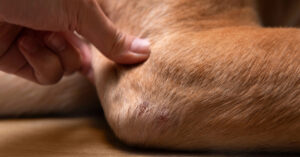
- Decreased skin elasticity
- Reduced urination
These symptoms indicate that the body is struggling to maintain normal fluid balance and should prompt veterinary evaluation.
Severe Dehydration
Severe dog dehydration can become a medical emergency. Dogs may collapse, show extreme weakness, or have difficulty standing. Breathing patterns may change, and circulation can become compromised. In advanced cases, dehydration can affect organ function and overall stability. Immediate veterinary care becomes essential to restore fluid balance and identify the underlying cause. If your dog displays severe symptoms or sudden changes in behavior, contacting a veterinary professional right away helps ensure your pet receives prompt evaluation.
Treating Dog Dehydration
Treatment for dog dehydration depends on the severity of fluid loss and the underlying cause. Veterinary teams first evaluate the dog’s overall condition, hydration status, and medical history before determining the appropriate treatment plan. Veterinarians often perform a physical examination to assess hydration levels. They may evaluate gum moisture, skin elasticity, heart rate, and other clinical indicators that reveal how the body is responding to fluid loss.
Veterinary Evaluation and Diagnostics
When dehydration appears linked to illness or a medical condition, veterinarians may recommend diagnostic testing. Blood work, urine testing, or imaging studies can help identify underlying issues that contribute to fluid loss or reduced water intake. Diagnostic information allows the veterinary team to determine whether dehydration stems from infection, organ disease, digestive upset, or another medical concern.
Fluid Therapy
Fluid therapy often plays a key role in treating dehydration in dogs. Veterinary teams administer fluids in a controlled clinical setting to restore hydration levels and stabilize circulation.
Fluids may be delivered intravenously or through other veterinary methods depending on the dog’s condition. This process helps replenish water and electrolyte levels while supporting normal organ function. Monitoring continues throughout treatment to evaluate how the dog responds and whether additional care is needed.
Addressing the Underlying Cause
Treating dehydration also requires identifying and managing the condition responsible for fluid loss. If vomiting, diarrhea, or illness contributes to dehydration, veterinary teams focus on stabilizing the underlying issue while supporting hydration. Once the cause is addressed, hydration levels typically improve as the dog begins to drink normally again and regain strength.
How to Prevent Dehydration in Dogs
Preventing dog dehydration starts with awareness and daily habits that support healthy hydration. Pet owners play an important role in making sure their dogs have consistent access to fresh water and a safe environment.
- Provide Consistent Access to Fresh Water: Dogs should always have access to clean drinking water throughout the day. Water bowls should be refreshed regularly to encourage normal drinking behavior. When traveling or spending time outdoors, bringing water along allows dogs to stay hydrated even when they are away from home.
- Monitor Activity in Warm Weather: Warm temperatures increase the risk of dehydration. During hot days in Arvada, reducing strenuous activity during peak heat can help dogs maintain a normal body temperature. Shade, rest breaks, and access to water allow dogs to cool down more effectively while enjoying outdoor time.
- Schedule Routine Veterinary Care: Regular veterinary visits help detect health conditions that may increase dehydration risk. During routine exams, veterinarians evaluate hydration, organ function, and overall wellness. Early detection of medical conditions allows treatment plans to begin before symptoms worsen.
- Watch for Behavioral Changes: Changes in drinking habits, energy levels, or appetite can provide early clues about hydration status. Paying attention to these changes helps pet owners identify potential concerns sooner. If you notice that your dog is drinking significantly less water, acting unusually tired, or showing signs of illness, contacting your veterinarian helps determine whether an evaluation is needed.
When Your Dog May Need Veterinary Care
Dog dehydration can develop quickly and may signal an underlying health issue that requires professional evaluation. If your dog shows symptoms such as persistent vomiting, diarrhea, extreme lethargy, or refusal to drink water, scheduling a veterinary visit helps determine the cause and appropriate treatment.
At Arvada Veterinary Hospital in Arvada, Colorado, our veterinary team provides diagnostic care and treatment for dogs experiencing dehydration and other medical concerns. We focus on identifying the underlying cause while restoring your pet’s comfort and stability.
If you suspect your dog may be dehydrated or showing unusual symptoms, call (303) 424-4439 or book an appointment online to have your dog evaluated by our experienced veterinary team. Early evaluation helps ensure your dog receives timely care and the support needed to return to normal health.