A quick scratch behind the ears or a roll across the carpet can seem like normal dog behavior. But when scratching becomes constant, flakes appear in the fur, or your dog’s skin looks irritated, something more may be happening beneath the surface. Dry skin on dogs is one of the most common concerns veterinarians hear from pet owners, and it often signals underlying health or environmental factors rather than a simple itch. From allergies and parasites to climate conditions and medical conditions, many issues can affect a dog’s skin health. In this blog, the team at Arvada Veterinary Hospital in Arvada, Colorado walks you through the symptoms, causes, and veterinary evaluation of dry skin in dogs so you can better understand what your dog may be experiencing.
Dry Skin Symptoms in Dogs
Dry skin in dogs can appear in many different ways, and the symptoms may develop gradually or appear suddenly. Because the skin acts as a protective barrier for the body, irritation or dryness often leads to visible and behavioral changes. Pet owners who recognize the early signs of dry skin on dogs can seek veterinary care sooner and help prevent the issue from worsening. Some dogs show mild flaking at first, while others experience significant itching and discomfort that affects daily activity.
Common symptoms of dry skin on dogs include:
- Frequent scratching or rubbing against furniture, carpet, or walls as dogs try to relieve persistent itching
- Flaky or scaly skin, often resembling dandruff, that may be visible in the coat or on bedding
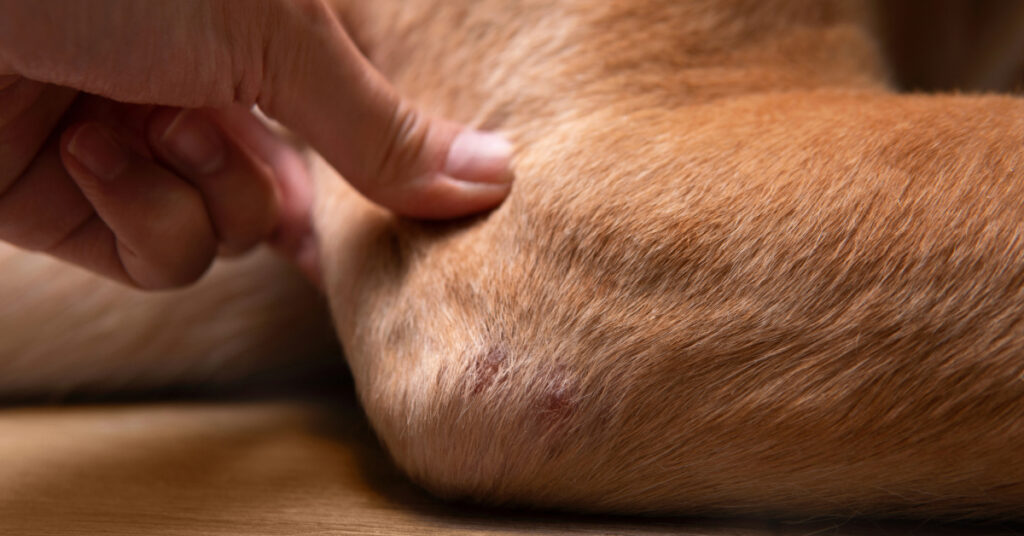
- Red or inflamed skin, particularly in areas that your dog scratches repeatedly
- Hair thinning or patchy hair loss, which can occur when irritation leads to excessive scratching or licking
- Excessive licking or chewing at certain areas of the body, especially paws, legs, or the base of the tail
- Scabs, sores, or irritated patches caused by repeated scratching
- A dull, brittle coat that lacks the normal shine of healthy fur
- Restlessness or discomfort, especially if itching disrupts sleep or daily routines
Dogs experiencing ongoing skin irritation may also develop behavioral changes as they attempt to cope with the itchiness. A normally relaxed dog may begin pacing, licking, or scratching frequently throughout the day. If these symptoms persist, a veterinary evaluation can help determine the underlying cause and guide appropriate treatment.
Behavioral Changes Linked to Skin Irritation
Dogs experiencing persistent itchiness may develop noticeable behavior changes. A dog who normally relaxes comfortably may begin pacing or scratching frequently. Some dogs lick their paws excessively or chew at their legs and tail. These behaviors occur because itching activates the body’s inflammatory response. Without treatment, the cycle of itch–scratch–irritation often continues and can lead to secondary skin infections.
Visible Skin Changes
Beyond itching and flakes, skin texture may also change. Dry skin can appear tight, cracked, or inflamed. In severe cases, the skin may develop sores or thickened areas from chronic irritation. If you notice these symptoms, scheduling a veterinary evaluation helps determine the underlying cause and the most appropriate treatment plan.
What Causes Dry Skin on Dogs?
Many pet owners wonder, “Why does my dog have dry skin?” The answer often involves a combination of environmental factors, allergies, parasites, and underlying medical conditions. Identifying the cause plays an important role in managing the problem effectively.
Environmental Factors
Weather conditions often affect skin health. Cold winter air and low humidity can remove moisture from the skin, leaving it dry and irritated. Indoor heating systems can make the air even drier, which may worsen symptoms. Colorado’s climate can contribute to skin dryness in dogs. Seasonal changes, altitude, and fluctuating humidity levels can all impact skin hydration and coat health.
Allergies
Allergies rank among the most common reasons veterinarians diagnose dry, itchy skin in dogs. Dogs can develop allergic reactions to many substances in their environment. Common allergy triggers include:
- Environmental allergens such as pollen, grasses, or dust mites
- Food ingredients that trigger immune responses
- Flea saliva from flea bites
Allergies often lead to inflammation in the skin, which causes itching, redness, and dryness.
Parasites
External parasites frequently cause skin irritation. Fleas, mites, and other parasites can trigger intense itching and inflammation that dries and damages the skin. Mange mites, for example, burrow into the skin and cause severe irritation. Flea infestations can also lead to flea allergy dermatitis, which often causes extreme itching and skin inflammation.
Underlying Medical Conditions
Some systemic health issues can also affect skin quality. Hormonal conditions, immune system disorders, and certain metabolic diseases may lead to skin changes. When these conditions interfere with normal skin function, dryness and irritation may develop. Veterinary evaluation helps determine whether a medical condition contributes to your dog’s symptoms.
Diagnosing Dry Skin on Dogs
When a dog shows persistent itching or skin changes, veterinarians perform a detailed evaluation to determine the cause. Because multiple conditions can lead to dry skin on dogs, diagnosis often involves several steps.
During the exam, veterinarians begin by reviewing your dog’s medical history. They may ask questions about when symptoms started, whether they occur seasonally, and whether your dog has experienced similar issues before.
The physical examination allows your veterinarian to evaluate skin texture, coat condition, and areas of inflammation. They will also look for signs of parasites, infection, or hair loss patterns that may point to specific conditions.
Diagnostic Testing
Veterinarians may recommend diagnostic tests to confirm the cause of dry skin. These tests help rule out infections, parasites, and systemic health problems. Possible diagnostic tools include:
- Skin scrapings to identify mites
- Microscopic examination of skin cells
- Allergy testing for environmental triggers
- Blood testing to evaluate underlying conditions
These tests allow veterinarians to gather valuable information about your dog’s skin health and overall medical status.
Why Accurate Diagnosis Matters
Skin conditions often share similar symptoms. Itching, redness, and flaking can appear in allergies, infections, parasites, and metabolic diseases. Without proper diagnosis, treatment may not address the underlying problem. Veterinary evaluation ensures that treatment targets the actual cause rather than just the visible symptoms.
Dog Dry Skin Remedies and Treatments
Once veterinarians determine the cause of dry skin, they develop a treatment plan tailored to the individual dog. Treatment approaches vary depending on whether allergies, parasites, infections, or systemic conditions contribute to the problem. Veterinary care focuses on restoring the skin barrier, reducing inflammation, and addressing the underlying cause. Skin health depends on many biological processes, including immune function, hydration, and proper cellular turnover.
Treatment Approaches for Dry Skin in Dogs
Several veterinary treatments may be used to manage dry skin conditions. These may include:
- Prescription medications to reduce inflammation
- Treatments for parasites such as fleas or mites
- Medications that manage allergic reactions
- Veterinary therapeutic skin care products
The specific approach depends on the diagnosis and the severity of symptoms.
Long-Term Skin Management
Some dogs experience recurring skin issues. In these cases, veterinarians often develop long-term management strategies to maintain skin health and prevent flare-ups.
Monitoring skin condition regularly allows veterinarians to adjust treatment as needed. Follow-up visits provide an opportunity to evaluate progress and modify care plans.
How To Prevent Dry Skin on Dogs
While some causes of dry skin develop unexpectedly, certain preventive steps can support healthy skin and coat function. Preventive care helps reduce exposure to triggers and supports overall dermatologic health. Routine veterinary exams allow veterinarians to detect early signs of skin irritation before symptoms worsen. Preventive parasite control also reduces the risk of flea and mite infestations that may lead to dry or inflamed skin. Environmental management can also help reduce exposure to allergens that trigger skin irritation in some dogs.
Supporting Healthy Skin Through Veterinary Care
Veterinary care plays an important role in maintaining skin health. Skin is the body’s largest organ and functions as a protective barrier against environmental hazards. During wellness visits, veterinarians evaluate coat quality, skin hydration, and signs of inflammation. These exams help detect early changes before symptoms become severe.
Helping Your Dog Find Relief From Dry Skin
Persistent itching, flaking, or skin irritation can affect a dog’s comfort and quality of life. Because dry skin on dogs can stem from many different causes, veterinary evaluation provides the clearest path toward relief. By identifying underlying triggers such as allergies, parasites, environmental factors, or medical conditions, veterinarians can recommend appropriate treatments tailored to your dog’s needs. If your dog shows signs of dry skin or excessive scratching, the team at Arvada Veterinary Hospital in Arvada, Colorado is equipped to help. Call (303) 424-4439 or book an appointment online to schedule a consultation and learn more about supporting your dog’s skin health.