
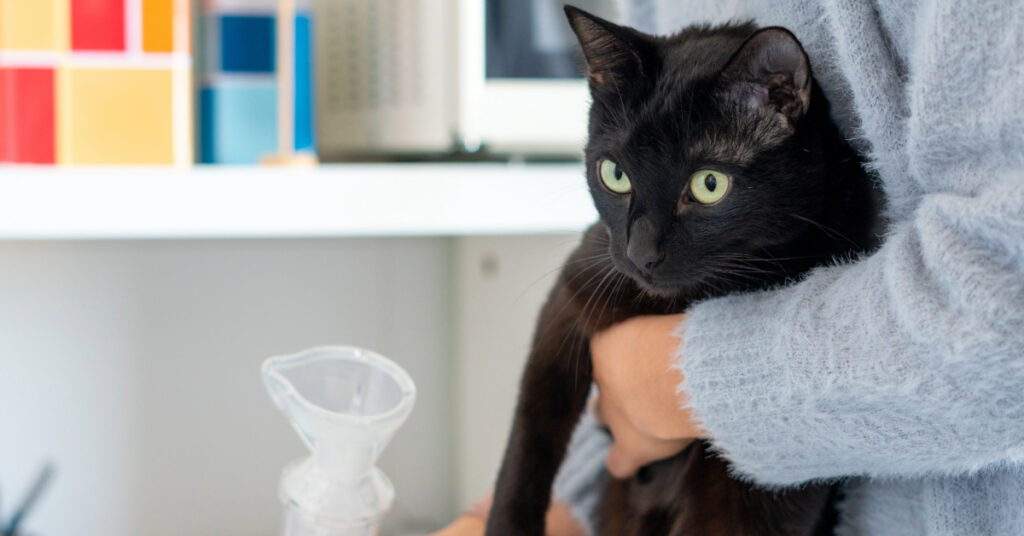
A sudden coughing fit can send any cat owner into a bit of a panic, but cat coughing is simply your cat’s way of trying to clear irritation from the airways, and it doesn’t always mean something serious is going on. What makes coughing tricky to figure out on your own is that it can look nearly identical whether the cause is something as minor as dust in the air or something as significant as heart disease. In this blog, our team at Arvada Veterinary Hospital walks through five of the most common reasons behind cat coughing in Arvada pets, how to tell it apart from ordinary hairball retching, and the signs that mean it’s time to schedule a visit.
Coughing vs. Hairballs: How to Tell the Difference
Because both look similar at first glance, distinguishing true cat coughing from hairball retching is important before deciding on next steps.
Key Differences to Watch For
- Coughing sounds harsh and comes from the chest, not the throat
- Hairball retching usually ends with a hairball being produced
- True cat coughing is often repetitive and occurs without producing anything
- Coughing may be paired with wheezing or labored breathing
1. Feline Asthma
Feline asthma is one of the leading causes of chronic coughing, caused by inflammation and narrowing of the airways. Cats with asthma often cough in short bursts, sometimes with an audible wheeze, and episodes of cat coughing can be triggered by dust, smoke, or scented products in the home.
2. Upper Respiratory Infections
Viral and bacterial respiratory infections are a common cause of coughing, especially in kittens, senior cats, or cats in multi-cat households. These infections often bring along sneezing, nasal discharge, and watery eyes in addition to the cough.
3. Heartworm Disease
Heartworm disease in cats can cause persistent cat coughing due to inflammation in the lungs, even though cats aren’t the natural host for heartworms the way dogs are. This condition, sometimes called heartworm-associated respiratory disease, can be serious, which is part of why year-round prevention matters even for indoor cats.
4. Allergies and Environmental Irritants
Household irritants like dust, mold, cigarette smoke, scented candles, and certain cleaning products can trigger cat coughing in sensitive cats. Seasonal allergies to pollen may also cause intermittent coughing that lines up with certain times of year.
Common Household Triggers
- Scented candles, air fresheners, and sprays
- Cigarette or wood smoke
- Dusty cat litter
- Mold or mildew in the home
5. Heart Disease
Though less common than in dogs, certain heart conditions in cats can lead to fluid buildup in or around the lungs, resulting in cat coughing along with rapid breathing or lethargy. Because heart disease in cats can progress quietly, a persistent cough is sometimes the first noticeable sign owners catch.
Does Age Play a Role in Cat Coughing?
Kittens and senior cats tend to experience coughing for different reasons than cats in their prime. Kittens are more prone to coughing tied to respiratory infections picked up from littermates or shelter environments, while senior cats are more likely to develop coughing related to heart disease or chronic airway changes. Knowing your cat’s life stage can help frame which causes are more likely.
Indoor Cats and Cat Coughing
Many owners assume cat coughing is less likely in indoor-only cats, but indoor cats are actually just as prone to several of the causes above, including feline asthma and household irritants. In fact, indoor cats can have more concentrated exposure to triggers like scented candles, cleaning products, or dusty litter simply because they spend all their time in that environment. If your indoor cat has developed a cough, it’s worth looking at household products and litter as possible contributors alongside any medical causes.
How Vets Diagnose the Cause of Cat Coughing
Getting to the bottom of cat coughing usually starts with a physical exam, listening carefully to your cat’s heart and lungs, and asking about when the coughing happens and what it sounds like. From there, chest X-rays, bloodwork, or heartworm testing may be recommended depending on what the exam reveals. Because so many different conditions can cause coughing, from asthma to heart disease, this step-by-step approach helps our team land on an accurate diagnosis rather than guessing at treatment.
When Should Cat Coughing Be Checked Out?
A single cough here and there usually isn’t cause for alarm, but certain patterns of cat coughing are worth bringing to Arvada Veterinary Hospital’s attention sooner rather than later.
- Coughing that happens daily or several times a week
- Coughing paired with open-mouth or labored breathing
- Blue or pale gums during a coughing episode
- Lethargy, appetite loss, or weight loss alongside the cough
- Coughing that worsens over time
Can Coughing Spread to Other Pets in the Home?
Whe coughing stems from a viral or bacterial respiratory infection, it can spread to other cats through shared litter boxes, food bowls, or close contact, particularly in multi-cat households. Feline asthma and heart-related cat coughing, on the other hand, aren’t contagious at all, since they stem from your individual cat’s airways or heart rather than an infectious source. Knowing which category your cat’s coughing falls into is part of why a proper diagnosis matters, both for your cat’s treatment and for the health of any other pets in the home.
Getting Your Cat’s Cough Sorted Out
Cat coughing can stem from something as manageable as a household irritant or as significant as heart or lung disease, which is exactly why it’s worth having evaluated rather than guessed at. Arvada Veterinary Hospital works with Arvada cat owners to identify what’s behind persistent cat coughing and to put together a plan that fits the underlying cause. If your cat’s cough hasn’t let up, call us at (303) 424-4439 or book an appointment online.