
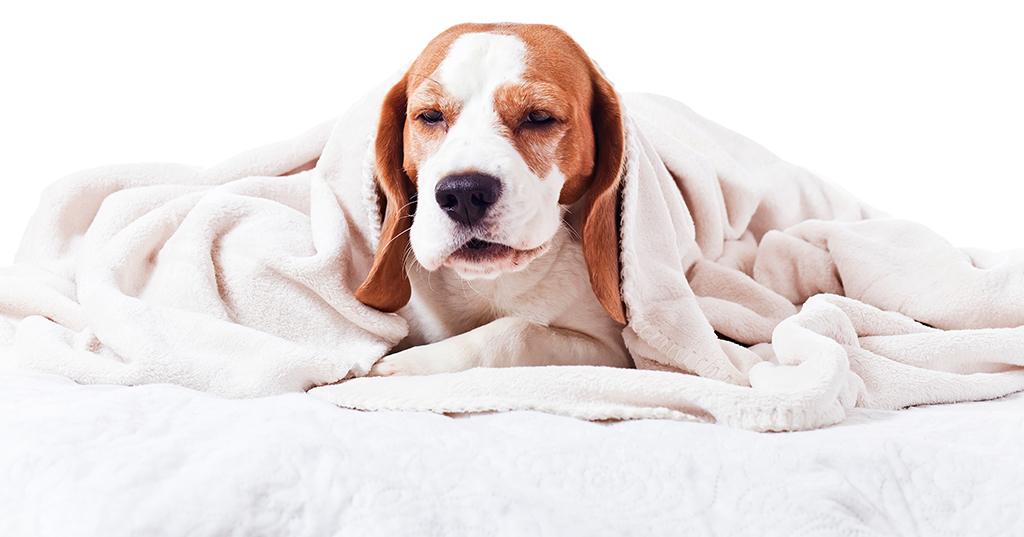
Dog coughing is most often caused by an airway infection such as kennel cough, but it can also stem from heart disease, a collapsing trachea, allergies, or something lodged in the throat. A single cough after drinking too fast is rarely a concern, while a cough that lingers for more than a few days or comes with other symptoms needs a veterinary exam. At Arvada Veterinary Hospital, coughing is one of the most common reasons dog owners call us, especially after boarding stays, busy weekends at the dog park, or smoky days along the Front Range. Because dog coughing has so many possible sources, the sound alone rarely tells the whole story. Below, we break down the most frequent causes, what you can do while you wait for an appointment, how veterinarians track down the source, and what treatment may involve.
What Causes Dog Coughing?
Dog coughing is the body’s way of clearing the airways, and a long list of conditions can trigger that reflex.
Infections
Canine infectious respiratory disease complex, better known as kennel cough, is the classic cause of a harsh, honking cough. Several viruses and bacteria, including Bordetella bronchiseptica and canine parainfluenza, can contribute. Canine influenza produces similar signs and may also cause fever and nasal discharge. These infections spread quickly wherever dogs gather, including daycares, grooming salons, training classes, and boarding facilities. In some dogs, an infection can progress to pneumonia, which often brings a wet, productive cough along with lethargy.
Heart and Airway Conditions
Not every cough starts in the lungs. Heart disease can lead to coughing when an enlarged heart presses on the airways or when fluid builds up in the lungs. Small breeds such as Yorkshire Terriers, Pomeranians, and Toy Poodles are prone to tracheal collapse, a weakening of the windpipe’s cartilage rings that creates a goose-honk cough. Chronic bronchitis, laryngeal paralysis in older large-breed dogs, and heartworm disease are other possibilities your veterinarian may consider.
Irritants and Foreign Objects
Smoke, dust, and strong fumes can irritate the airways and set off coughing spells. Dog coughing from irritants often flares on days with poor air quality, and the dry winter air around the Denver metro area can make sensitive airways even more reactive. Allergies may play a role as well. Occasionally, a dog inhales a grass awn or swallows something that lodges in the throat, causing sudden, persistent gagging and coughing.
How Different Coughs Sound
The character of the cough can offer helpful clues for your veterinarian:
- Honking: often linked to tracheal collapse or kennel cough
- Dry and hacking: common with airway irritation or early infection
- Wet or gurgling: may suggest fluid or mucus in the lungs
- Gagging at the end: frequently seen with throat or upper airway irritation
What to Do If Your Dog Is Coughing
When dog coughing starts, the most helpful thing you can do is observe carefully and contact your veterinarian rather than wait for it to clear up on its own.
Gather Useful Details
Your observations at home often shape the direction of the exam. Before your appointment, try to note:
- When the coughing began and whether it’s getting better, worse, or staying the same
- Whether it happens more at night, after exercise, during excitement, or while pulling on a leash
- Any recent boarding, grooming, daycare, or dog park visits
- Changes in appetite, energy level, or breathing rate while resting
A short phone recording of a coughing episode is also valuable, since dogs often stay quiet once they arrive at the clinic.
Limit Contact With Other Dogs
Because infectious dog coughing spreads easily, it’s a good idea to skip the dog park, daycare, and group classes until your veterinarian has examined your dog. Let the clinic know about the cough when you call. Some practices prefer to bring coughing patients straight into an exam room to protect other pets in the lobby.
Avoid Over-the-Counter Remedies
Never give your dog human cough syrup, cold medicine, or pain relievers. Many of these products contain ingredients that are toxic to dogs, and they can also mask symptoms your veterinarian needs to see. Any medication your dog receives should come from a veterinarian who has examined them.
Diagnosing Coughing in Dogs
Since so many conditions cause the same symptom, pinpointing the reason behind dog coughing usually takes a combination of history, examination, and testing.
The Physical Exam
Your veterinarian will listen carefully to your dog’s heart and lungs, check the throat and windpipe, measure temperature, and evaluate breathing effort and gum color. Gently pressing on the trachea can sometimes trigger a cough, which helps narrow down where the problem originates. A fever, crackles in the lungs, or a heart murmur can each steer the investigation in a different direction. Your notes about timing, exposure, and the sound of the cough fill in the rest of the picture.
Common Diagnostic Tests
Depending on your dog’s age, history, and exam findings, your veterinarian may recommend:
- Chest X-rays to evaluate the lungs, heart size, and airways
- Bloodwork to check for infection, inflammation, and overall organ health
- A heartworm test, especially if prevention has lapsed
- A respiratory PCR panel to identify specific viruses or bacteria
- An echocardiogram if heart disease is suspected
- Bronchoscopy or fluoroscopy to examine the airways and watch the trachea in motion
A young dog with a mild cough after boarding may need little more than an exam. Persistent dog coughing in a senior pet typically needs a more thorough workup, since chronic coughing can reflect heart, lung, or airway disease that benefits from early detection. Your veterinarian will explain the purpose of each test so you can make informed decisions about your dog’s care.
Dog Coughing Treatment
Treatment for dog coughing always depends on the underlying cause, which is why a diagnosis comes before any plan.
Infectious Causes
Many mild cases of kennel cough resolve within one to three weeks with rest and supportive care. Your veterinarian may prescribe medication to calm the cough or treat a bacterial infection when the exam supports it. Dogs with pneumonia often need more intensive care, which can include hospitalization, fluids, and oxygen support. Recovery from infectious dog coughing usually includes a period of reduced activity, and your veterinarian will let you know when it’s safe to return to group settings.
Chronic and Structural Conditions
Conditions such as tracheal collapse, chronic bronchitis, and heart disease are usually managed over the long term rather than cured. A treatment plan might combine prescription medication, weight management, and lifestyle changes like switching from a collar to a harness. Heartworm disease requires a carefully staged treatment protocol supervised by your veterinarian. For some airway conditions, a specialist may discuss surgical or procedural options. With consistent follow-up, many dogs living with chronic airway or heart conditions enjoy active, comfortable lives for years.
Prevention
Vaccines for Bordetella, canine parainfluenza, and canine influenza can reduce the risk and severity of contagious respiratory illness, particularly for dogs who board, visit groomers, or spend time in daycare. Year-round heartworm prevention and routine wellness exams help catch heart and lung changes before they progress.
When Is Dog Coughing an Emergency?
Most cases of dog coughing can wait for a scheduled appointment, but some signs call for immediate care. Seek emergency help right away if your dog has blue, gray, or pale gums, struggles to breathe or breathes with an open mouth at rest, collapses, coughs up blood, or seems unable to settle because breathing is so labored. Dogs with known heart disease that develop a new or worsening cough also deserve prompt attention.
For a cough that has lingered longer than a few days, keeps coming back, or simply has you worried, the team at Arvada Veterinary Hospital is ready to help find the cause and build a plan that fits your dog. Call us at (303) 424-4439 to schedule a visit.