
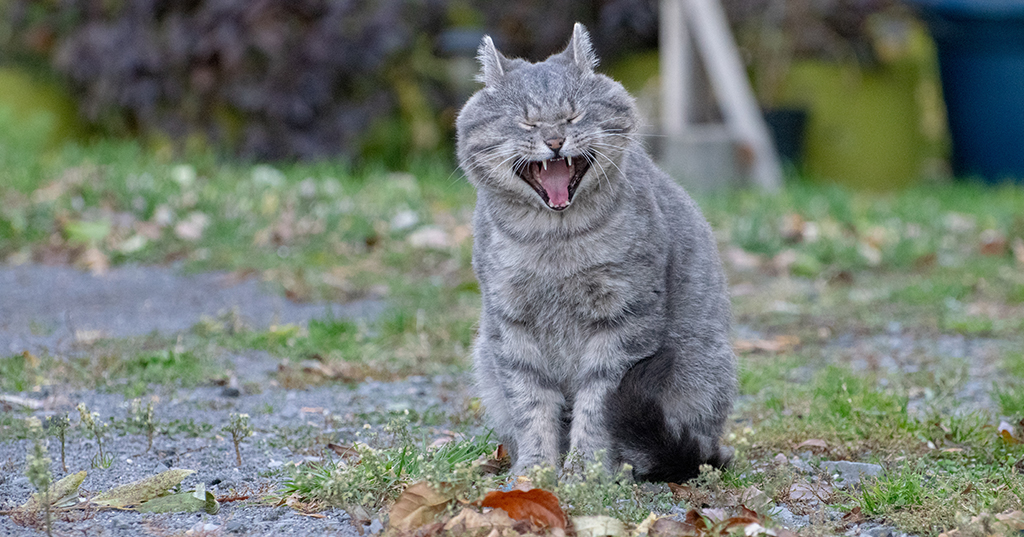
Cat sneezing usually happens because something has irritated the lining of your cat’s nose, such as dust, a strong scent, or an upper respiratory infection. An occasional sneeze is normal, but frequent cat sneezing, colored nasal discharge, or sneezing paired with other symptoms calls for a visit to your veterinarian. At Arvada Veterinary Hospital, we hear this question from local cat owners all year, and it tends to climb when the Colorado air turns cold and dry. A single sneeze rarely signals trouble. Still, cat sneezing is one of the earliest ways a cat’s body shows that something has changed in the nose, sinuses, or even the mouth. Learning the most common causes helps you tell a passing tickle from a problem that needs professional care. Below, we explain how to recognize true sneezing, what triggers it, how veterinarians find the cause, what treatment can involve, and which signs mean it’s time to call.
Is Your Cat Actually Sneezing?
Before you worry about cat sneezing, it helps to confirm that a sneeze is really what you’re seeing.
A true sneeze is a sudden, forceful burst of air pushed out through the nose and mouth. Cats often blink, lower their heads, or shake them slightly right afterward. Sneezes can come one at a time or in quick clusters, and you might notice a small spray of moisture or discharge.
Sneezing vs. Reverse Sneezing
Reverse sneezing looks and sounds very different from typical cat sneezing. Instead of pushing air out, the cat pulls air in rapidly through the nose, producing a snorting or honking noise. It’s far more common in dogs, but cats can do it too. Episodes usually last a few seconds and often stop on their own, though repeated episodes still deserve a mention at your next appointment.
Coughing, Gagging, and Wheezing
Many owners mistake coughing for sneezing, and the difference matters. A coughing cat typically crouches low with the neck stretched forward and makes a hacking sound. That posture can point to feline asthma or another lower airway issue rather than a nasal problem. Gagging, on the other hand, often comes before a hairball or vomiting. Wheezing produces a whistling sound as your cat breathes and should never be ignored.
If you’re unsure whether you’re seeing cat sneezing or something else, record a short video on your phone. A 10-second clip gives your veterinarian far more information than a verbal description, and it often speeds up the path to the right answer. Note how often the episodes happen, what time of day they occur, and what your cat was doing just before. That simple log becomes a valuable part of the exam.
What Causes Cat Sneezing?
Cat sneezing has a wide range of possible causes, from harmless household irritants to infections and structural problems inside the nose.
Upper Respiratory Infections
Infections rank among the most common reasons for persistent cat sneezing. Feline herpesvirus and feline calicivirus cause the majority of upper respiratory infections, often called “cat colds.” These viruses spread easily in shelters, catteries, and multi-cat homes. Bacteria such as Bordetella, Chlamydia felis, and Mycoplasma can cause infection on their own or move in after a virus has weakened the nasal lining. Many cats carry herpesvirus for life, and stress can trigger flare-ups years after the first infection.
Irritants and Allergies
A cat’s nose is far more sensitive than ours, so everyday products are a frequent source of cat sneezing. Common household triggers include:
- Dusty or heavily scented cat litter
- Cigarette, vape, fireplace, or wildfire smoke
- Perfumes, plug-in air fresheners, and scented candles
- Aerosol sprays and strong cleaning products
- Pollen, mold spores, and household dust
True environmental allergies cause cat sneezing less often in cats than in people, but they do happen, and seasonal patterns can offer a clue.
Dental, Structural, and Other Causes
Some causes of cat sneezing hide outside the nose itself. The roots of a cat’s upper teeth sit close to the nasal passages, so a tooth root abscess or advanced dental disease can lead to sneezing and one-sided discharge. Inhaled foreign objects, like grass blades or seeds, can lodge deep in the nasal cavity. Young cats sometimes develop nasopharyngeal polyps, which are benign growths that block airflow. Fungal infections and nasal tumors are less common, but veterinarians consider them more closely in older cats or when sneezing comes with nosebleeds or facial swelling.
How Is Cat Sneezing Diagnosed?
Pinpointing the source of cat sneezing starts with a conversation and a hands-on exam, then moves to testing when the answer isn’t obvious.
Your Cat’s History
Your veterinarian will ask when the sneezing began, how often it happens, and whether you’ve noticed discharge from the nose or eyes. Details about appetite, energy, recent boarding or adoption, other pets in the home, and any new household products all help narrow the list of possibilities. This is where the notes and video you collected really pay off.
The Physical Exam
During the exam, the veterinarian checks your cat’s eyes, nose, mouth, teeth, throat, and lymph nodes, and listens closely to the heart and lungs. Airflow through each nostril, the color of any discharge, and signs of facial swelling or mouth ulcers can all point toward specific causes.
Diagnostic Testing
When sneezing is persistent, recurring, or paired with other symptoms, your veterinarian may recommend one or more of the following:
- A respiratory PCR panel, which uses a gentle swab to identify specific viruses and bacteria
- Bloodwork plus FeLV and FIV testing to assess overall health and immune function
- Dental X-rays to look for tooth root disease near the sinuses
- Skull radiographs or a CT scan to evaluate the nasal cavity and sinuses in detail
- Rhinoscopy, a procedure that uses a tiny camera to look inside the nose and collect samples
Not every cat needs every test. A young kitten with classic cold symptoms may need only an exam, while a senior cat with months of one-sided discharge usually needs a deeper workup. Your veterinarian will tailor the plan to your cat’s age, history, and symptoms, and will walk you through what each step can reveal.
How Is Cat Sneezing Treated?
Treatment for cat sneezing depends entirely on the underlying cause, which is why an accurate diagnosis comes first.
Infection-Related Sneezing
Most viral upper respiratory infections in cats run their course over one to three weeks. Veterinary care for these cases often focuses on supportive care that helps your cat stay hydrated, keep eating, and breathe more comfortably while the immune system does its work. Antibiotics don’t kill viruses, so veterinarians reserve them for cases where they suspect a bacterial infection. For cats with severe or recurring herpesvirus flare-ups, your veterinarian may discuss prescription antiviral options. Cats that stop eating, become dehydrated, or develop pneumonia may need hospital care.
Sneezing From Irritants, Teeth, or Growths
When an irritant is to blame for cat sneezing, your veterinarian can help you identify likely culprits in your home and suggest practical changes. Dental-related sneezing often improves after a professional cleaning and treatment of the affected teeth under anesthesia. Foreign objects and polyps typically require removal, sometimes with an endoscope. Fungal infections and nasal tumors call for more specialized plans, which may include referral to a veterinary specialist.
Long-Term Management and Prevention
Some cats develop chronic rhinitis, a long-lasting inflammation of the nasal passages, often after a severe infection early in life. In these cases, the goal shifts from a cure to managing flare-ups and maintaining quality of life. Routine vaccination with the FVRCP vaccine helps protect against herpesvirus and calicivirus and reduces the severity of illness if exposure happens. Please never give your cat human cold or allergy medicine. Many over-the-counter products contain ingredients that are toxic to cats, so always talk with your veterinarian before giving any medication.
When Should You Call Arvada Veterinary Hospital About Cat Sneezing?
Knowing which symptoms need attention helps you act quickly when cat sneezing turns into something more. Contact your veterinarian promptly if your cat shows any of these signs:
- Sneezing that lasts more than a few days or keeps coming back
- Yellow, green, or bloody nasal discharge, or nosebleeds
- Discharge or swelling on only one side of the face
- Squinting, red or watery eyes, or mouth ulcers
- Loss of appetite, lethargy, or fever
- Labored or open-mouth breathing, which needs emergency care right away
Kittens, senior cats, and cats with chronic health conditions can decline faster, so we recommend calling sooner rather than later for these pets. The team at Arvada Veterinary Hospital is here to help you figure out what’s behind your cat’s sneezes and build a plan that fits your cat. To schedule a visit, call us at (303) 424-4439.